
Benefits of an LED Lighting Upgrade for Business Lifespan
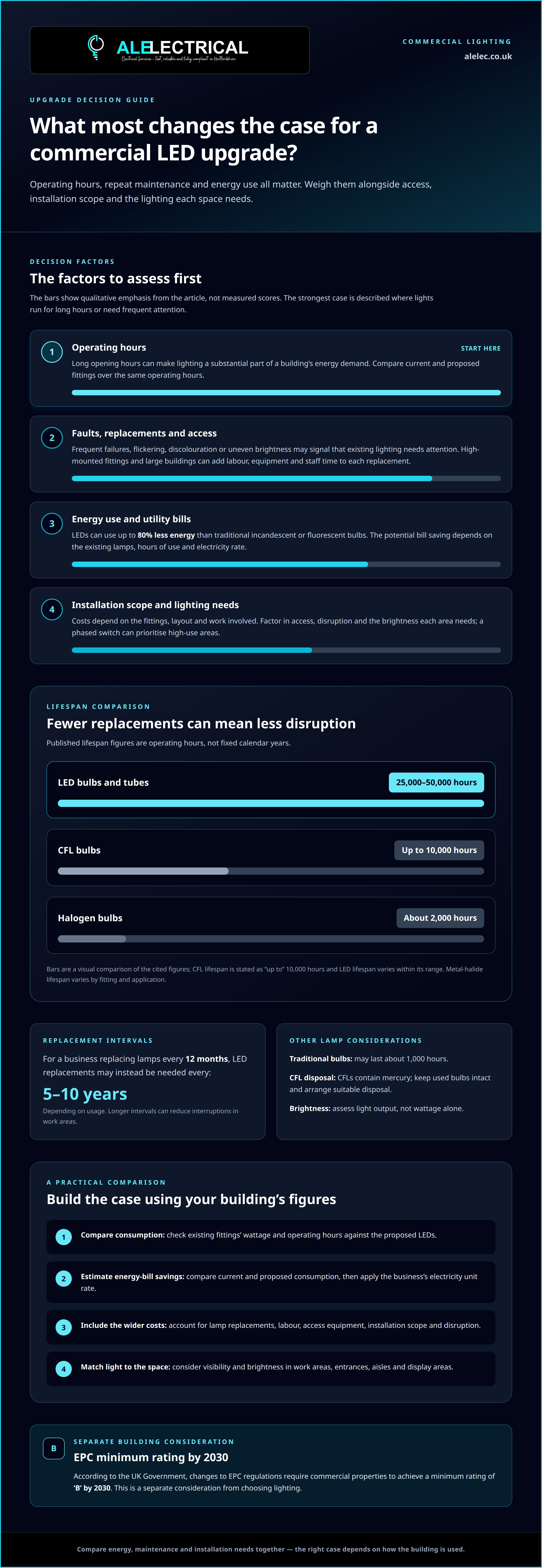
Commercial LED lights can operate for many years, but their lifespan depends on usage, the conditions around the fittings and installation quality. The benefits of an LED lighting upgrade for a business can go beyond lower energy use: fewer replacements may also mean less disruption to daily operations.
It’s understandable to focus on the upfront investment, especially when existing lights still work. This article explains what affects LED lifespan and maintenance, how to weigh energy and replacement savings, and when upgrading may make financial sense. You’ll also learn why frequent faults, difficult access and long operating hours can change the case for replacing a commercial lighting system.
Table of Contents
When Does an LED Upgrade Make Financial Sense in a Commercial Building?
The benefits of an LED lighting upgrade for a business are clearest when lights operate for long hours or need frequent attention. Compare energy use, maintenance needs and installation scope before deciding whether to replace lighting throughout the building or in phases.
Commercial Lighting Energy Use
Commercial lighting energy use is the electricity required to illuminate offices, shops, warehouses and shared spaces. Long opening hours can make lighting a substantial part of a building’s demand. Compare existing fittings’ wattage and operating hours with proposed LEDs to estimate consumption. According to the UK Government, changes to EPC regulations require commercial properties to achieve a minimum rating of ‘B’ by 2030; this is a separate consideration from choosing lighting.
Energy and Utility-Bill Savings
LEDs can use up to 80% less energy than traditional incandescent or fluorescent bulbs. The benefits of an LED lighting upgrade for a business depend on existing lamps, operating hours and electricity rates. Estimate potential bill savings by comparing current and proposed consumption, then applying the business’s unit rate. A phased switch can prioritise high-use areas first. Include maintenance costs in the assessment alongside energy savings.
Lighting Efficiency and Lifespan Comparisons
LED bulbs and tubes can last 25,000 to 50,000 hours; CFL bulbs can last up to 10,000 hours, while halogen bulbs usually last about 2,000 hours. Metal-halide lifespan varies by fitting and application, so compare the specific replacement options. Assess brightness by light output, not wattage alone. CFLs contain mercury, so keep used bulbs intact and arrange suitable disposal.
Upfront Upgrade Costs
A business’s project costs depend on its fittings, layout and installation scope. Estimate potential savings by comparing existing and proposed energy consumption over the same operating hours, using the business’s electricity rate. Also account for access, disruption and the brightness each area needs.
LED lifespan and maintenance
Commercial LED bulbs and tubes can last between 25,000 and 50,000 hours. That extended lifespan means fewer replacements than traditional bulbs, which may last about 1,000 hours. For a business replacing lamps every 12 months, LED replacements may instead be needed every five to ten years, depending on usage. The longer interval can reduce interruptions in work areas.
Lifespan figures refer to operating hours, not a fixed number of calendar years. A fitting used throughout each working day reaches the same operating hours sooner than one switched on occasionally. In warehouses, workshops and retail units, difficult access can also add labour, equipment and staff time to each replacement. Weigh these factors alongside lamp costs.
Track faults: Frequent failures, flickering, discolouration or uneven brightness can indicate that existing lighting needs attention.
Consider access: High-mounted fittings or lights spread across a large building make repeated replacements more demanding.
Plan replacements: Grouping work around maintenance or refurbishment can reduce separate access arrangements and disruption.
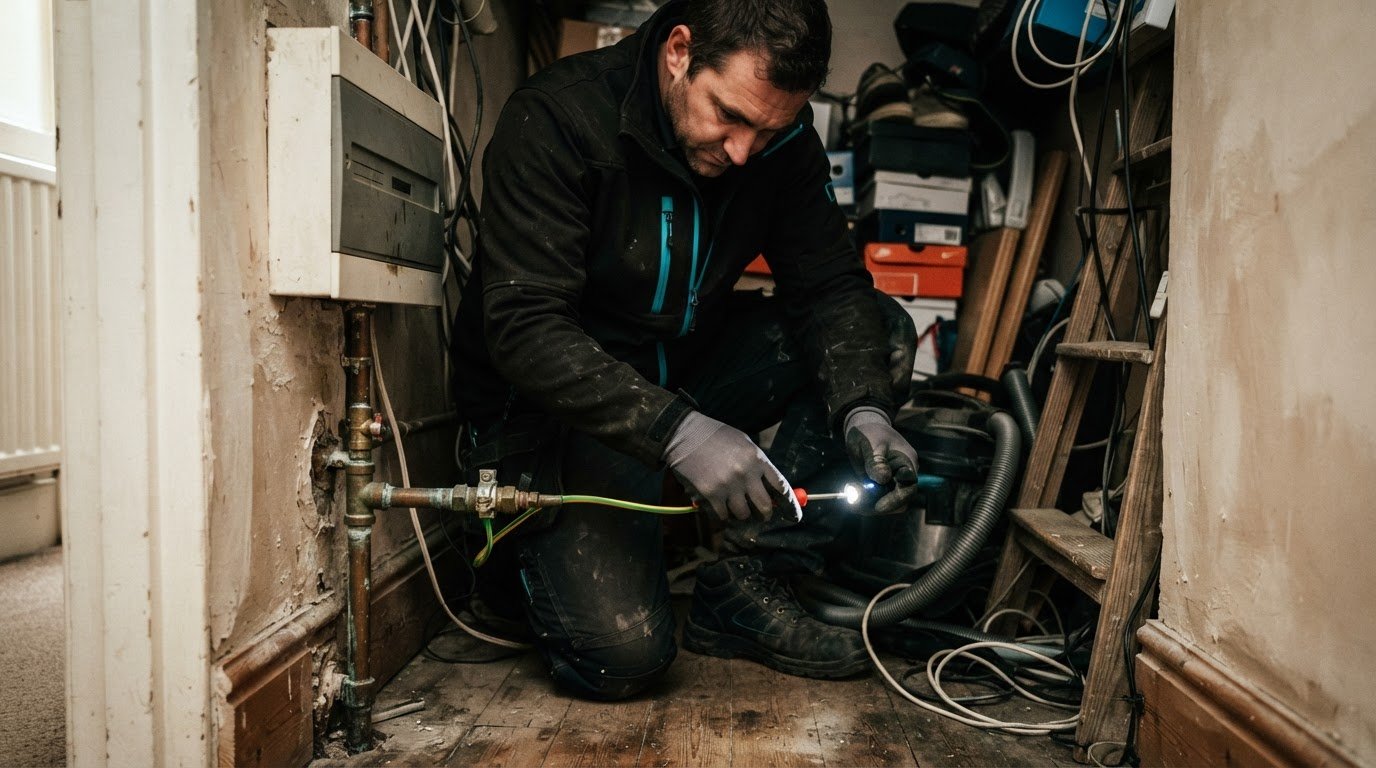
LEDs can still need maintenance; an extended lifespan does not mean a fitting lasts indefinitely. Inspect light output and note recurring faults, particularly where inconsistent colour or brightness affects daily work. A planned approach can help avoid repeated reactive visits and keep the lighting layout suitable for the space. For ongoing electrical issues affecting a site, planned electrical maintenance can help address faults as part of wider upkeep.
How long do commercial LED lights last in business?
Commercial lighting affects more than electricity use. In retail spaces, consistent brightness helps customers see products and move through aisles. In workshops, suitable light supports detailed tasks. The benefits of an LED lighting upgrade for a business can include a more practical environment, provided the lighting suits each area’s needs.
Flicker, glare or poor visibility can make tasks less comfortable for employees and interrupt concentration. LEDs and suitable controls can help tailor brightness to a space, where the products and controls are compatible. Consider the work taking place: a reception desk, for example, may need different lighting from a stockroom. These details make the benefits of an LED lighting upgrade for a business more relevant to staff and customers.
Using less electricity for lighting can help reduce a building’s carbon footprint, particularly where lights operate for long periods. The UK’s net zero carbon emissions target is 2050. LEDs contain no mercury, unlike fluorescent bulbs, which commonly contain mercury. Longer-lasting fittings can also mean fewer lamp replacements and less lighting waste, although suitable disposal still matters when older lamps are removed.
For staff: Consider visibility, glare and brightness at workstations.
For customers: Review lighting in entrances, aisles and display areas.
For the environment: Account for electricity use, fitting lifespan and responsible disposal.
Flickering lights or poor visibility can disrupt daily operations. Arrange electrical maintenance to address faults and keep workplace lighting operating reliably.
ALElectrical: Fuse Box Upgrades
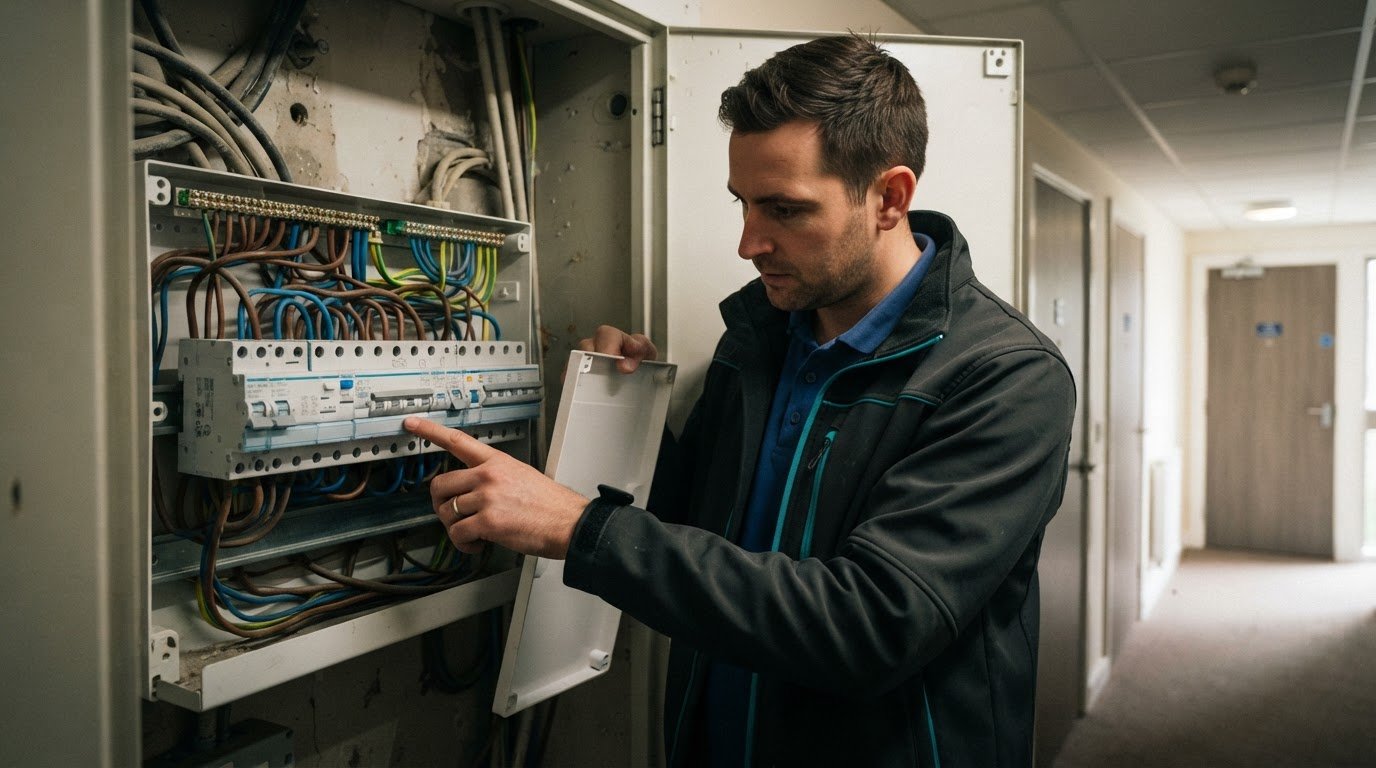
When reviewing plans for improved lighting, ALElectrical can help businesses consider a fuse box upgrade as part of their wider electrical setup. A fuse box upgrade is a separate consideration from a commercial lighting upgrade, and whether it is relevant depends on the electrical work needed at the premises. The right next step depends on the work required at the premises.
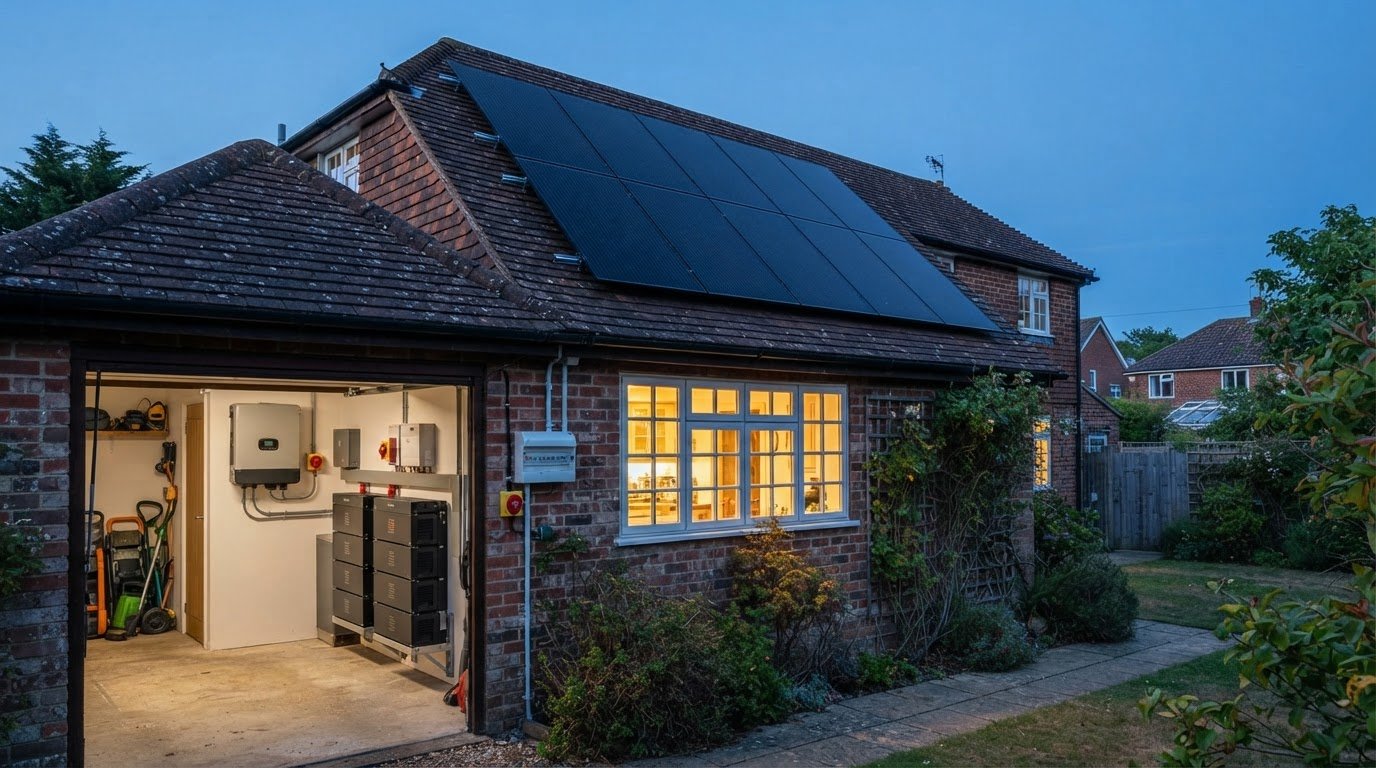
For a broader electrical review, ALElectrical also provides EICRs, house rewires, and solar and battery solutions. These services address different needs, from assessing an installation’s condition to upgrading other parts of the electrical system. Choose the service that matches the issue you need to resolve, rather than treating every lighting project as a fuse box upgrade.
Plan your next lighting decision
A lighting review can help you plan workplace improvements. Identify which areas need more consistent light, where access makes maintenance difficult, and how changes could fit around normal operations. These priorities help define a practical scope instead of treating every fitting as an identical replacement.
The benefits of an LED lighting upgrade for a business depend on whether the proposed changes suit the building’s use and fit its wider electrical plans. A focused discussion can help clarify what to address first and whether further electrical work is needed.
Contact ALElectrical about your lighting upgrade to discuss the next step for your premises. A clear plan can help you move forward with confidence.
Frequently Asked Questions
How much can UK businesses save by upgrading lighting?
UK businesses can reduce lighting costs by 50-80% compared with older lighting technologies, though actual savings depend on the existing lamps and how long they’re used. A site with long operating hours may have more opportunity to cut consumption. Consider each area separately, as a lightly used meeting room and a continuously lit workspace won’t deliver the same savings.
What is energy-efficient lighting?
Energy-efficient lighting can provide the brightness a space needs while using less electricity. LEDs are one option, with lighting selected for different tasks, from retail displays to office workstations. Don’t judge suitability by a lamp’s wattage alone: consider its light output, operating hours and whether it provides suitable visibility for people using the space.
How much can UK businesses save on energy bills by upgrading to LED lighting?
The effect on a business’s electricity bill depends on its existing fittings, usage and tariff, so savings will vary. Estimate the difference by comparing current and proposed lighting consumption over the same operating schedule, then applying the business’s unit rate. Include areas with extended opening hours, as they use lighting for longer.
How long is the payback period for LED lighting in UK businesses?
Businesses can expect to recoup an initial LED lighting investment in 1-3 years on average, depending on usage and local electricity rates. A building open for long stretches each day may make savings sooner than a site with limited lighting hours. The calculation should account for installation scope and expected energy savings, not electricity use alone.
What maintenance and replacement cost savings can businesses expect from LED lighting?
An upgrade may reduce lamp changes and the time spent arranging access, labour and equipment. This matters particularly where fittings are mounted high or spread across a large site. For example, a warehouse with recurring lamp failures may need fewer maintenance visits after upgrading. The potential benefit depends on current fault frequency, access difficulty and the replacement lighting selected.
Comments