
Future proofing home electrics for smart home upgrades
A smart home is only as ready as the electrical system behind it. Smart upgrades are easier to plan when the wiring, dedicated circuits and consumer unit can support the devices you may add later. Future proofing home electrics means allowing for likely needs, such as EV charging and solar or battery storage, while cable routes are accessible during a build or rewire.
It’s easy to focus on the technology you want now, but planning the electrical capacity behind it can make future changes more straightforward. The right approach depends on the home’s expected electrical loads and how you plan to use it.
Here’s how to plan wiring, dedicated circuits and electrical service capacity for a custom home, and what to consider before adding smart upgrades.
Table of Contents
1. Future-Proofing Wiring in a New Custom Home
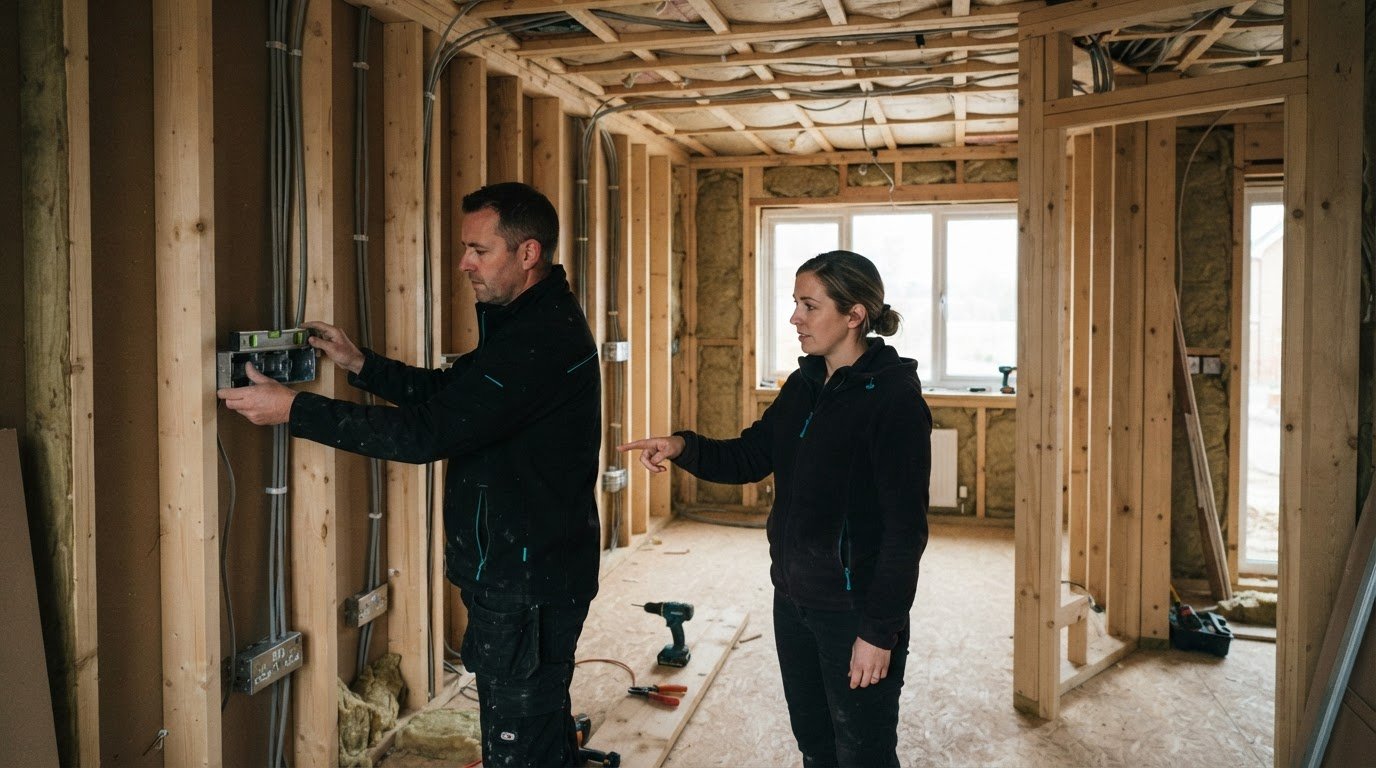
For a UK renovation, prioritise a dedicated EV charger circuit, spare cable routes and a consumer unit with capacity for future circuits. Planning these alongside kitchen, heating and lighting changes can reduce the need to revisit finished walls.
Prepare for home EV charging by planning a suitable circuit and cable route before building work is complete. A qualified electrician should install the charger and assess the existing wiring and consumer unit against the expected load. This establishes whether electrical alterations are needed before charging begins.
Smart chargers can schedule charging for off-peak hours, which may help reduce energy costs if your tariff offers cheaper periods. Check that the planned charger, circuit and home electrical system suit your charging needs. Scheduling adds convenience, but the electrical system must still support the load safely.
For reliability, fixed wiring gives devices such as EV chargers a direct electrical connection, while wireless systems avoid extra data cables and can be easier to change. A practical renovation step is to install cable routes for fixed equipment and use wireless controls where flexibility matters.
Part P and BS 7671 are relevant to domestic electrical work. BS 7671:2018+A1:2020 is cited, and updates in 2025 focus on safety, efficiency and smart integration. The specific requirements depend on the work being carried out and where the property is located.
Government grants may help make home EV charger installation more affordable. Incentives can differ across England, Scotland, Wales and Northern Ireland, so check the schemes that apply to your nation and circumstances before budgeting.
For rented properties, Electrical Safety First recommends a full electrical inspection every 5 years. During a renovation, include an inspection in the work plan so wiring condition and planned additions are considered together.
2. Dedicated circuits for future electrical loads
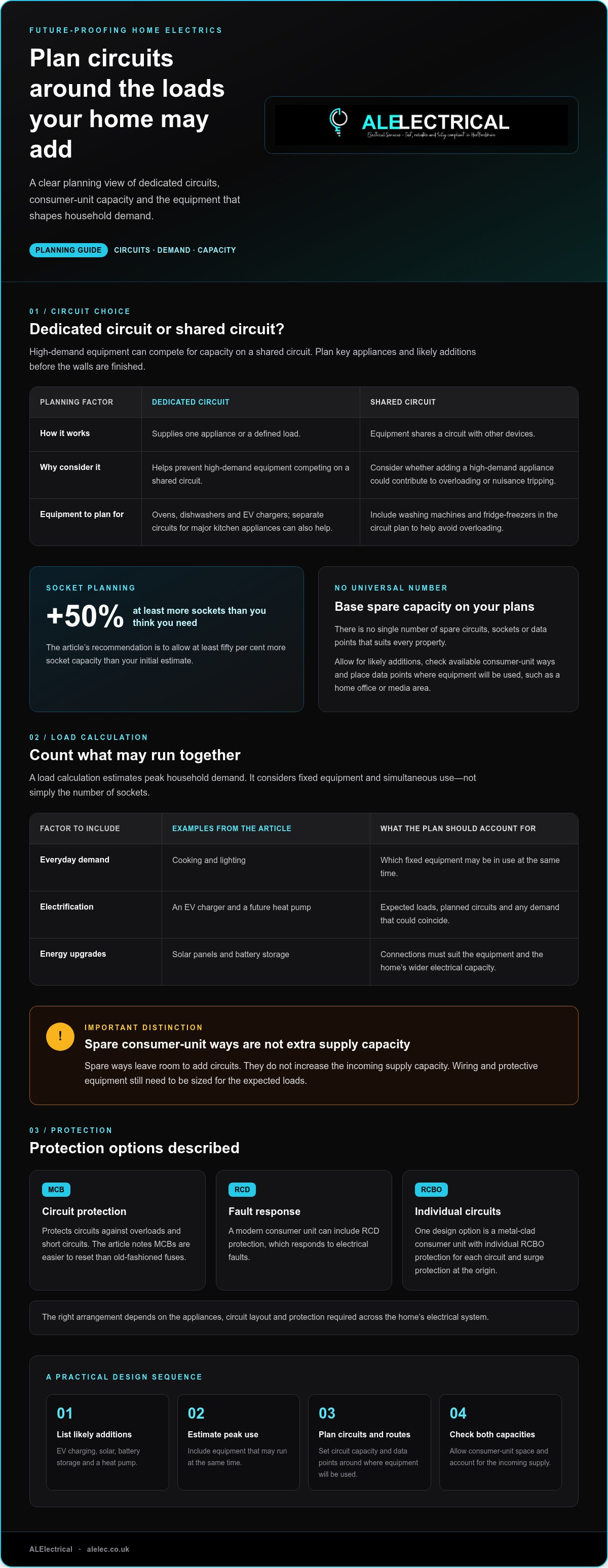
A dedicated circuit supplies one appliance or defined load, helping prevent high-demand equipment from competing on a shared circuit. Include ovens, dishwashers and EV chargers in your electrical plans. Separate circuits for major kitchen appliances, such as washing machines and fridge-freezers, can also help avoid overloading and nuisance tripping.
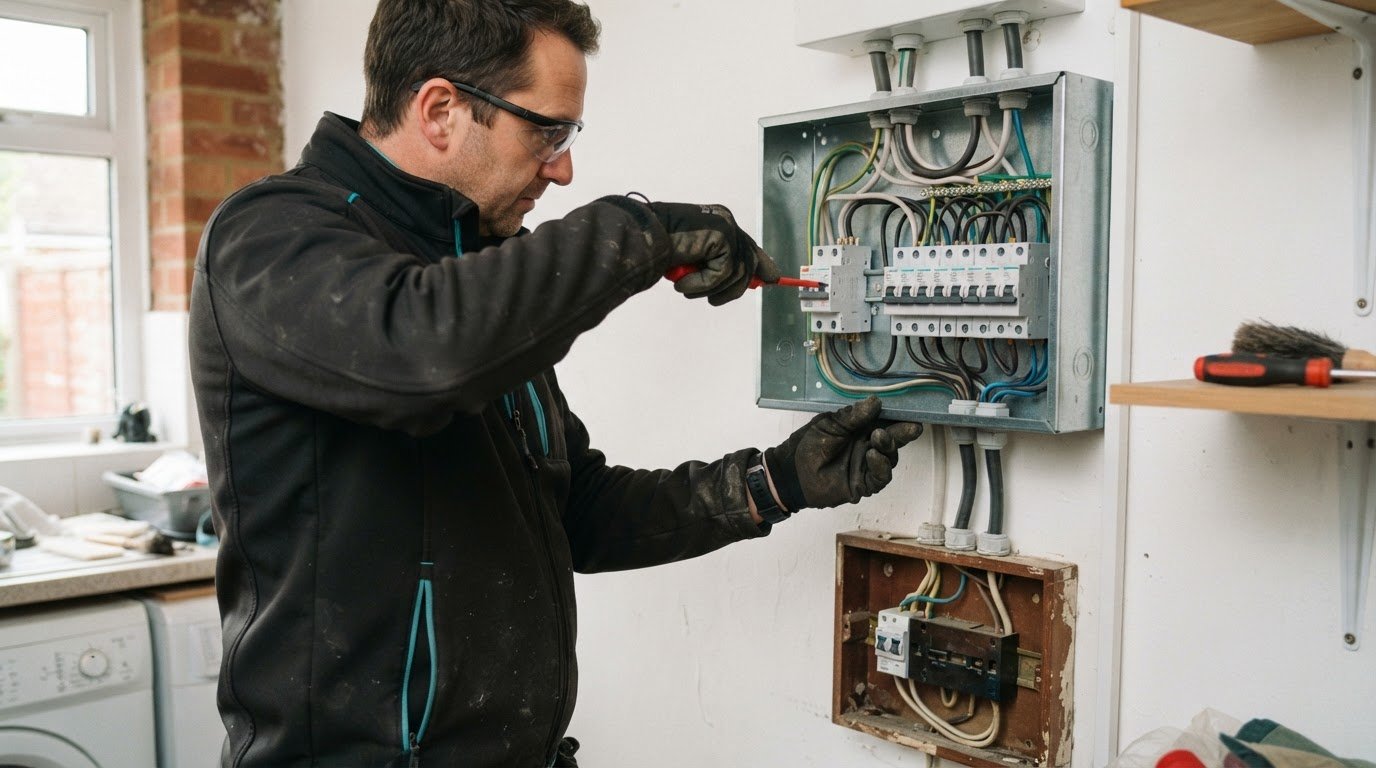
During a rewire, consider a consumer unit with spare ways for circuits you may add later. This leaves room for changing household needs, including future energy equipment. MCBs protect circuits against overloads and short circuits, and are easier to reset than old-fashioned fuses. A modern consumer unit can also include RCD protection, which responds to electrical faults.
Another design option is a metal-clad consumer unit with individual RCBO protection for each circuit and surge protection at the origin. The right arrangement depends on the appliances, circuit layout and protection required across the home’s electrical system.
How many spare circuits, sockets and data points should a future-proof home have? There’s no single number that suits every property. Base spare circuit capacity on likely additions and the consumer unit’s available ways. For sockets, the recommendation is to plan for at least fifty per cent more than you think you need. Place data points where equipment will be used, such as a home office or media area.
If an existing consumer unit has no room for planned circuits, a fuse box upgrade may help accommodate them. Planning circuit capacity alongside kitchen and appliance layouts makes it easier to match the installation to how you use each room.
3. Electrical load calculations and service sizing
A load calculation estimates how much electricity a home may need at peak demand. It considers fixed equipment and which devices may run at the same time, not simply the number of sockets. For example, include cooking, lighting, an EV charger and a future heat pump. This gives the electrical design a realistic picture of household demand as smart technology adds connected equipment.
What wiring capacity and consumer unit size are needed for future home electrification? They depend on the calculated load, supply and planned equipment, so there’s no single size suitable for every home. Allow spare capacity in the consumer unit for future circuits, then size wiring and protective equipment for the expected loads.
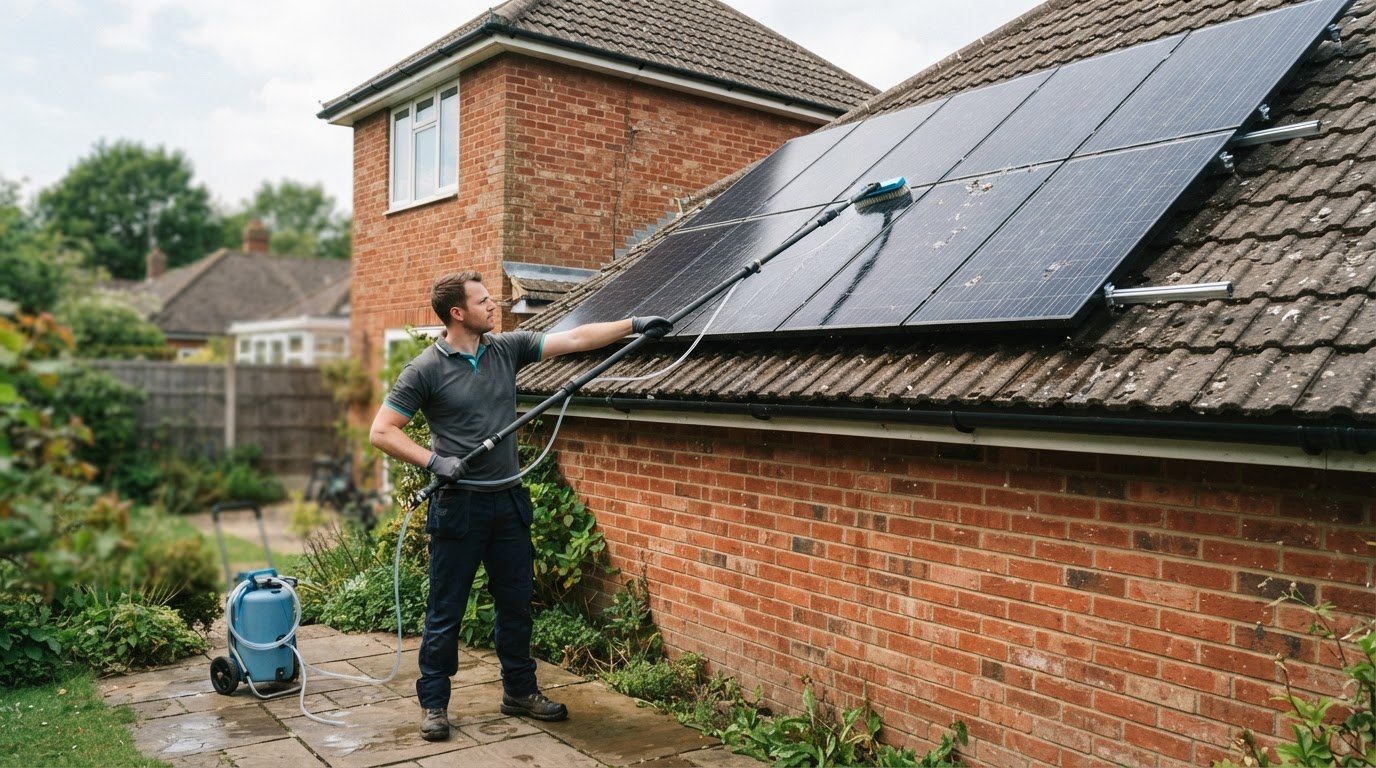
Solar panels, battery storage and a heat pump each need to be included in the electrical plan. Their circuits and connections must suit the equipment and the home’s wider electrical capacity. List planned upgrades together rather than designing around solar or an electric vehicle in isolation. This helps identify where demand could coincide and where additional capacity may be needed.
For instance, a home with electric cooking, an EV charger and battery storage has different demands from one using gas cooking and no vehicle charger. The calculation should account for those actual choices and likely additions. Spare consumer-unit ways provide room for circuits, but they do not increase the incoming supply capacity.
For support planning solar and battery provision, discuss electrical capacity for your home as part of the wider installation design.
ALElectrical: House Rewires
ALElectrical can help homeowners planning a rewire make room for future electrical needs. A house rewire is a useful opportunity to consider circuit layouts, socket positions and routes for planned upgrades before the walls are finished.
If the existing consumer unit needs more capacity for additional circuits, a fuse box upgrade may be relevant. For homes considering renewable energy, solar and battery systems can be included in the wider electrical plan. An EICR can also help assess the condition of existing electrical installations and identify issues to address before upgrades proceed.
Discuss your home’s plans and existing electrical setup with ALElectrical. Request a free, no-obligation quote to talk through the next step.
Plan for the home you’re building towards
Smart technology will keep changing, so aim for an electrical plan that can adapt rather than one built around a single device. Note the upgrades you may want next, such as home charging, renewable energy or connected controls, and share those priorities before work begins. That gives future proofing home electrics a practical starting point: decisions shaped around how you expect to use your home.
A clear plan also helps make conversations about existing wiring and planned work more focused. ALElectrical can discuss the electrical work that fits your home’s needs, from rewiring to energy upgrades and consumer-unit changes.
Contact ALElectrical about your plans and take a considered first step towards a home ready for what comes next.
Frequently Asked Questions
Are smart home upgrades worth it?
Smart upgrades can be worthwhile if they solve a practical need, such as controlling lights remotely or automating a heating schedule. Start with the rooms and routines where convenience matters most, then choose compatible devices rather than buying a full system at once. Consider whether each upgrade will remain useful if you change phones, networks or other smart-home equipment.
Can I install an EV charger myself?
No. In the UK, EV charger installation should be carried out by a qualified electrician. The work involves connecting a high-load appliance to the home’s electrical system, so the installer needs to consider the supply, protective equipment and route to the parking space. Avoid attempting the electrical connection yourself, even if the charger appears straightforward to mount.
How do you future-proof electrical wiring in a new custom home?
Plan wiring around how each room may be used, not just its current furniture layout. For example, allow routes to a garage or driveway for future equipment, and position data connections where home-working or media devices are likely. Keep plans of cable routes and circuit arrangements after construction; they can make later alterations easier to plan and carry out.
What does future-proofing home electrics mean in the UK?
Future proofing home electrics means designing or updating a home’s electrical installation so it can accommodate likely changes without unnecessary disruption. This may involve planning spare cable routes, considering future equipment and ensuring the installation suits its intended loads. It doesn’t mean predicting every new technology. Focus on flexible infrastructure and upgrades that make sense for your household.
How should a home be prepared for an EV charger, and what does installation cost in the UK?
Allow a practical cable route between the consumer unit and the charger position, and consider where the vehicle will usually be parked. A qualified electrician can assess the existing installation and any changes needed. Installation costs depend on the property, cable route, charger and required electrical work. Contact ALElectrical for a free, no-obligation quote.
Comments