
How to maintain solar panels and what professional cleaning costs
Solar panels need less hands-on care than many homeowners expect, but they shouldn’t be ignored. This solar panel maintenance guide for the UK explains a sensible routine: check generation a few times a year, look over the system regularly and arrange a professional service every three to five years. Clean panels when they’re visibly dirty rather than treating washing as an automatic annual task.
It’s understandable to wonder whether rain is enough, how often a system needs attention and whether roof cleaning is worth the cost. This guide covers safe checks you can make from the ground, when a professional inspection or clean makes sense, and what affects cleaning costs. It also explains how maintenance differs between home and commercial systems, helping you plan appropriate care without unnecessary work.
Table of Contents
1. How do you maintain a solar PV system?
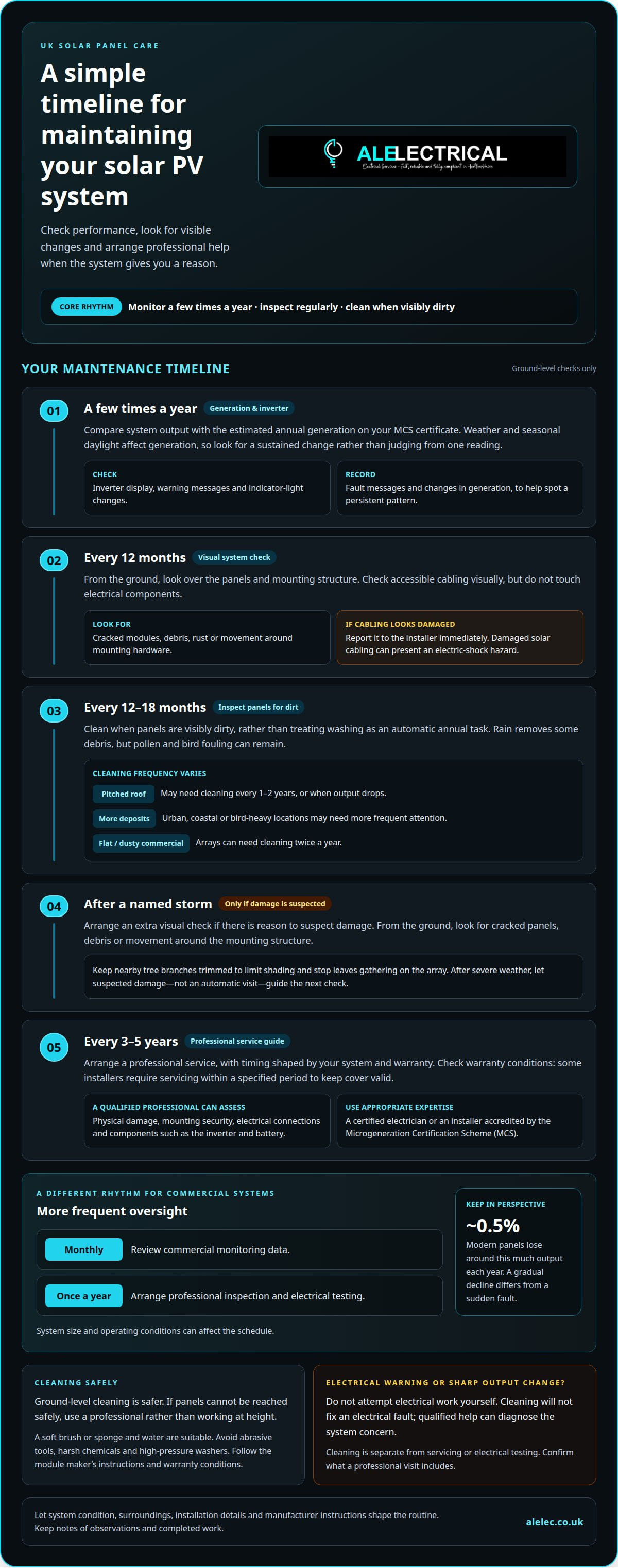
Check your system’s output a few times a year and compare it with the estimated annual generation on your MCS certificate. Weather and seasonal daylight affect generation, so look for a sustained change rather than judging performance from one reading. Check the inverter display for warnings and record any fault messages, including changes to indicator lights.
For routine care, visually inspect the panels and mounting structure every 12 months, and after a named storm if damage is suspected. From the ground, look for cracked modules, debris, rust or movement around the mounting hardware. Check accessible cabling for visible damage, but don’t touch electrical components. Damaged solar cabling can present an electric-shock hazard, so report it to the installer immediately.
A qualified solar professional should carry out repairs and electrical checks. So Energy recommends using a certified electrician or an installer accredited by the Microgeneration Certification Scheme (MCS) for solar panel checks. A professional inspection can assess physical damage, mounting security, electrical connections and system components, including the inverter and battery.
Common problems include damaged panels, loose mounting hardware, faulty connections and reduced output. The repair depends on the fault: an engineer may need to replace a damaged component or correct an electrical connection, while cleaning may help if dirt is affecting generation. Periodic professional checks can help identify issues, but the appropriate timing depends on your system and warranty. Check your warranty conditions, as some installers require servicing within a specified period to keep cover valid.
2. Professional cleaning costs
The final cost depends on the number of panels, roof access, roof type and the amount of dirt or bird droppings to remove. Steep roofs or difficult access can make the work more involved.
Inspect panels every 12 to 18 months and clean them if visibly dirty. Pitched-roof panels may need cleaning every 1-2 years or when output drops; urban, coastal or bird-heavy locations may need more frequent attention. Flat-roof or dusty commercial arrays can need cleaning twice a year. Rain removes some debris, but pollen and bird fouling may remain.
Cleaning from the ground is safer. If panels can’t be reached safely, use a professional rather than working at height. A soft brush or sponge and water are suitable; avoid abrasive tools, harsh chemicals and high-pressure washers, which can damage seals or wiring. Don’t use cold water on hot panels or scrape dry grit across the glass. Follow the module maker’s instructions and warranty conditions, as cleaning requirements can vary.
A professional cleaner may use deionised water to reduce mineral marks. Before cleaning, switch the system off as directed in its manual. A trained professional should disconnect panels from electricity and any battery where needed. Cleaning is separate from servicing or electrical testing, so confirm what the visit includes. If lower output points to an electrical fault rather than dirt, cleaning won’t replace diagnosis or repairs.
3. How much maintenance solar panels need
For most homes, maintenance is periodic rather than constant. Check generation against seasonal patterns and look for a persistent drop, not a brief change after dull weather. Modern panels lose around 0.5% of their output each year, so gradual decline differs from a sudden fault. Monitoring helps distinguish expected changes from shading, inverter issues or visible damage.
Keep nearby tree branches trimmed to limit shading and stop leaves gathering on the array. After severe weather, arrange an extra check if there’s reason to suspect damage. Bird droppings, dust and tree debris can remain despite rainfall, so base cleaning on visible deposits and their effect on output. Follow the manufacturer’s care instructions.
Solar panels can last 25 to 30 years or sometimes longer with proper care. The inverter has a shorter service life and typically needs replacing every 10 to 15 years. This is a separate component replacement, not a reason to clean panels more often. Warranty terms and the system’s age can help shape a sensible maintenance plan.
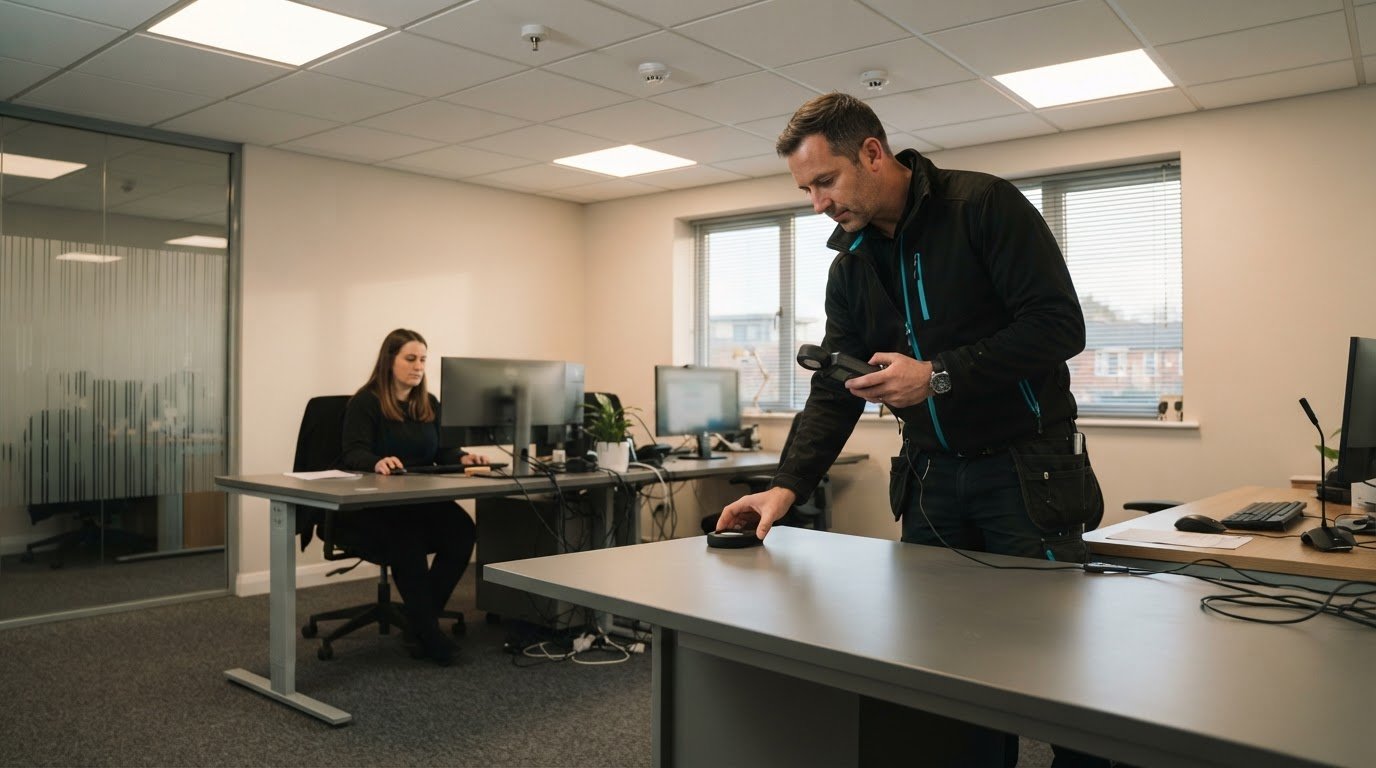
Commercial systems need closer oversight than typical domestic arrays. Review commercial monitoring data monthly, and arrange professional inspection and electrical testing once a year. System size and operating conditions can affect the maintenance schedule. For a home system, focus on tracking generation, watching for new shading and responding to faults rather than arranging unnecessary visits.
If generation changes sharply or a fault appears, get help with a solar system concern before attempting electrical work yourself.
ALElectrical: Solar & Battery
ALElectrical provides Solar & Battery installations and electrical services for homeowners planning a system or needing support with solar-related electrical work. If generation drops, a fault appears or you’re considering adding battery storage, the team can assess the electrical requirements and help identify a suitable next step.
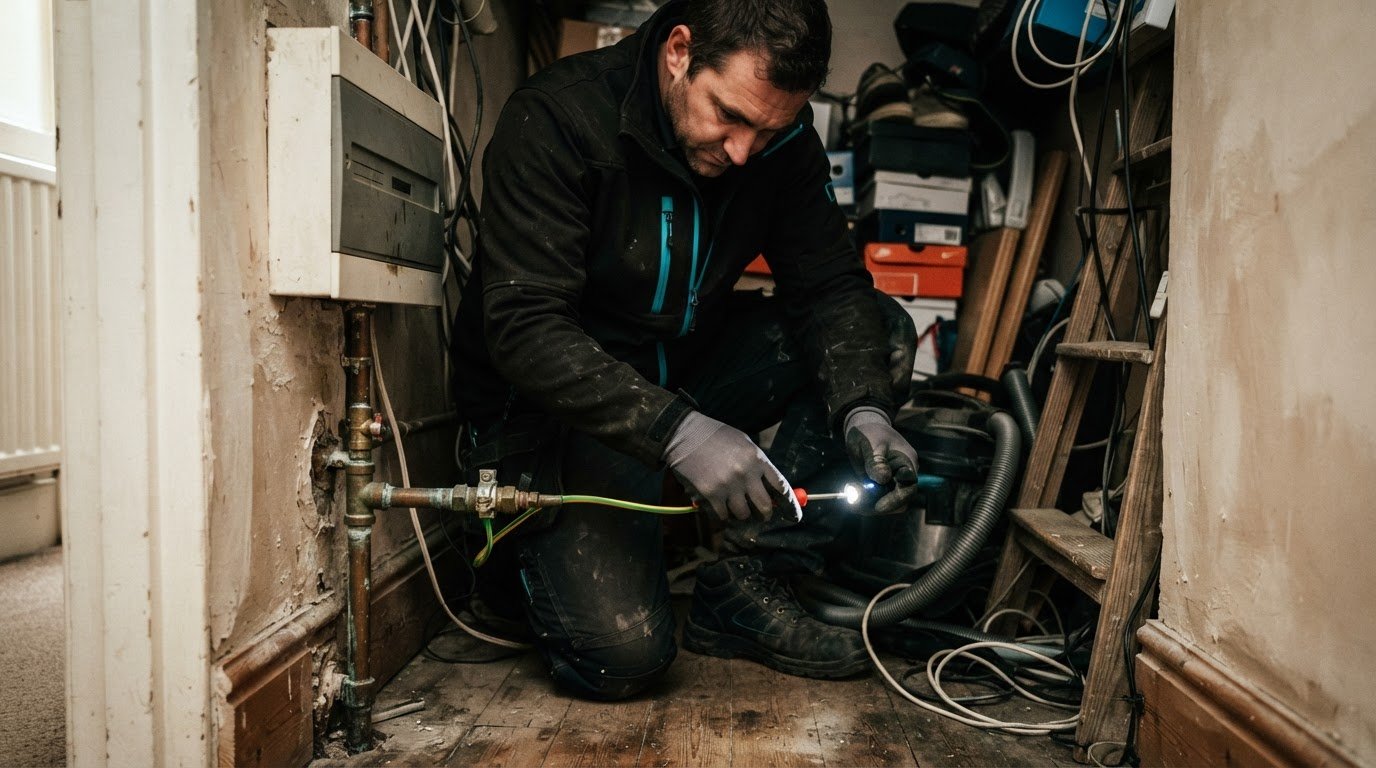
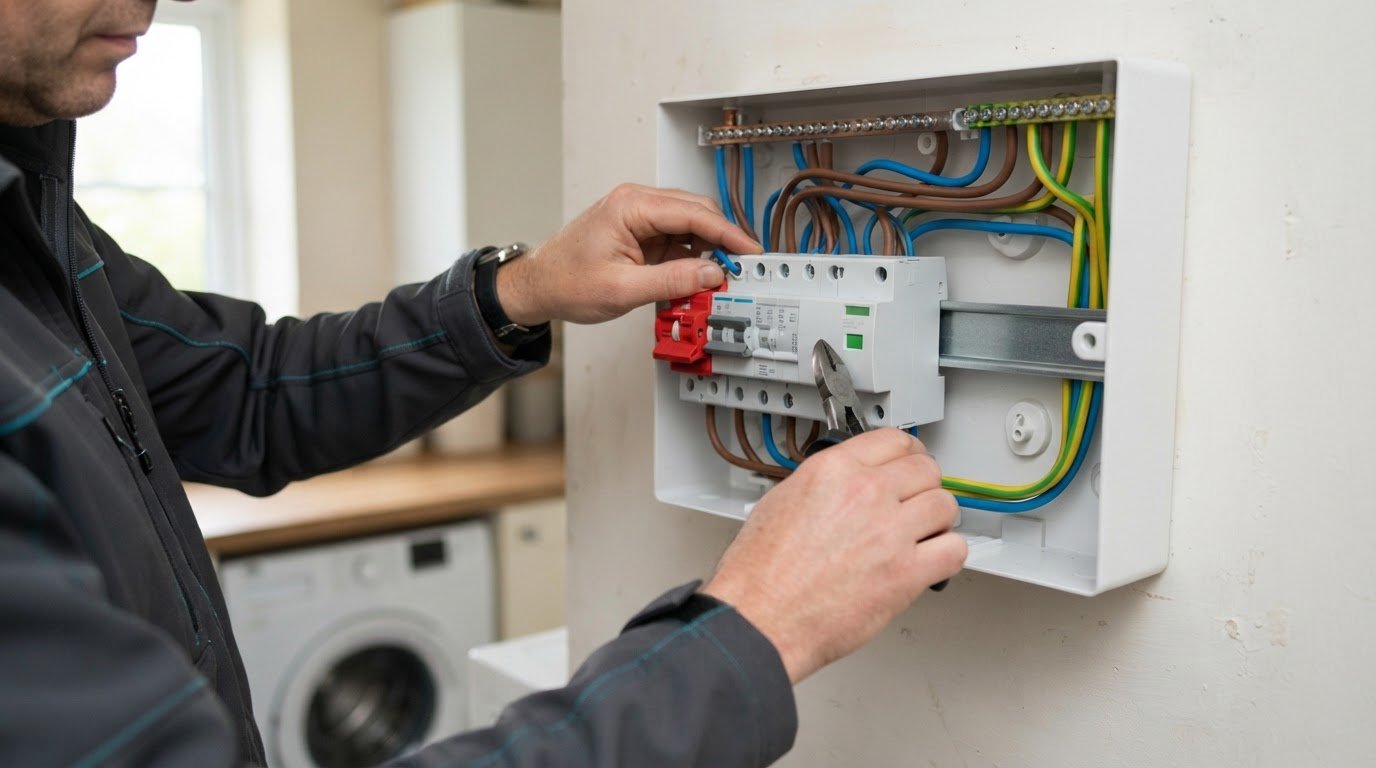
For related electrical work at home, ALElectrical also offers Electrical Maintenance, Fuse Box Upgrades and House Rewires. These services may be relevant if an inspection highlights an issue beyond panel cleaning, such as electrical equipment that needs attention. Cleaning alone won’t resolve an electrical fault, so seek qualified help when warning signs appear.
For help with solar or related electrical work, contact ALElectrical.
Make your next maintenance step a planned one
Good solar care is less about frequent intervention and more about responding to the right signs. Treat changes in generation, visible damage or an electrical warning as prompts to consider whether cleaning, inspection or electrical support is needed. Keep notes of observations and completed work; over time, they can help you understand your system’s behaviour and plan its care with greater confidence.
Use this UK solar panel maintenance guide as a starting point, then let your system’s condition, installation details and manufacturer instructions shape its routine. A solar panel maintenance guide for UK homeowners is most useful when it helps turn observations into a sensible next step. If you’re unsure what a fault or change means, professional electrical support can help you act safely.
Contact ALElectrical about solar panel care to discuss support for your system. A considered plan can make ongoing care easier to manage and help you feel confident about what to do next.
Frequently Asked Questions
How do you maintain a solar PV system?
Maintain a solar PV system by tracking its generation, watching for visible changes and arranging professional checks when needed. For example, compare output on a clear day with readings taken in similar conditions, rather than comparing winter with summer. Keep records of inverter warnings and work completed. If the system includes a battery, note its indicators too, but leave electrical diagnosis and repairs to a qualified professional.
Does skipping maintenance affect my warranty?
It can, depending on the warranty terms. Some installers require a full service within a specified period to keep the warranty valid, while panel and equipment warranties may have separate conditions. Read the documents supplied with your installation and note any required service intervals. Keep invoices and inspection reports together so you can show what maintenance was carried out if you make a warranty claim.
How long do solar inverters last?
Solar inverters typically last 10 to 15 years, although the actual replacement point depends on the equipment and its operating conditions. A warning light, fault message or sudden change in system behaviour can signal a problem before replacement is due. Record the displayed fault and contact a qualified solar professional; don’t open the inverter casing or attempt electrical repairs yourself.
What should a solar PV thermal imaging report include?
A useful report should identify each finding by its array or panel location, describe the observed anomaly and provide the thermal images supporting it. This makes it easier to connect a concern with the correct part of the system. Confirm whether the thermographic survey follows IEC 62446 requirements. Thermal imaging can flag anomalies, but it doesn’t replace electrical testing when that testing is needed.
How to clean solar panels safely in the UK, and what equipment should you use?
Follow the manufacturer’s instructions and use water with a soft brush or sponge, working from a safe position on the ground where possible. Choose a cool part of the day, such as morning or evening, and avoid abrasive tools, harsh chemicals and high-pressure washers. Never stand on panels or scrape dry grit across the glass. Switch the system off as directed in its manual before cleaning.
Comments